Jan 29, 2026
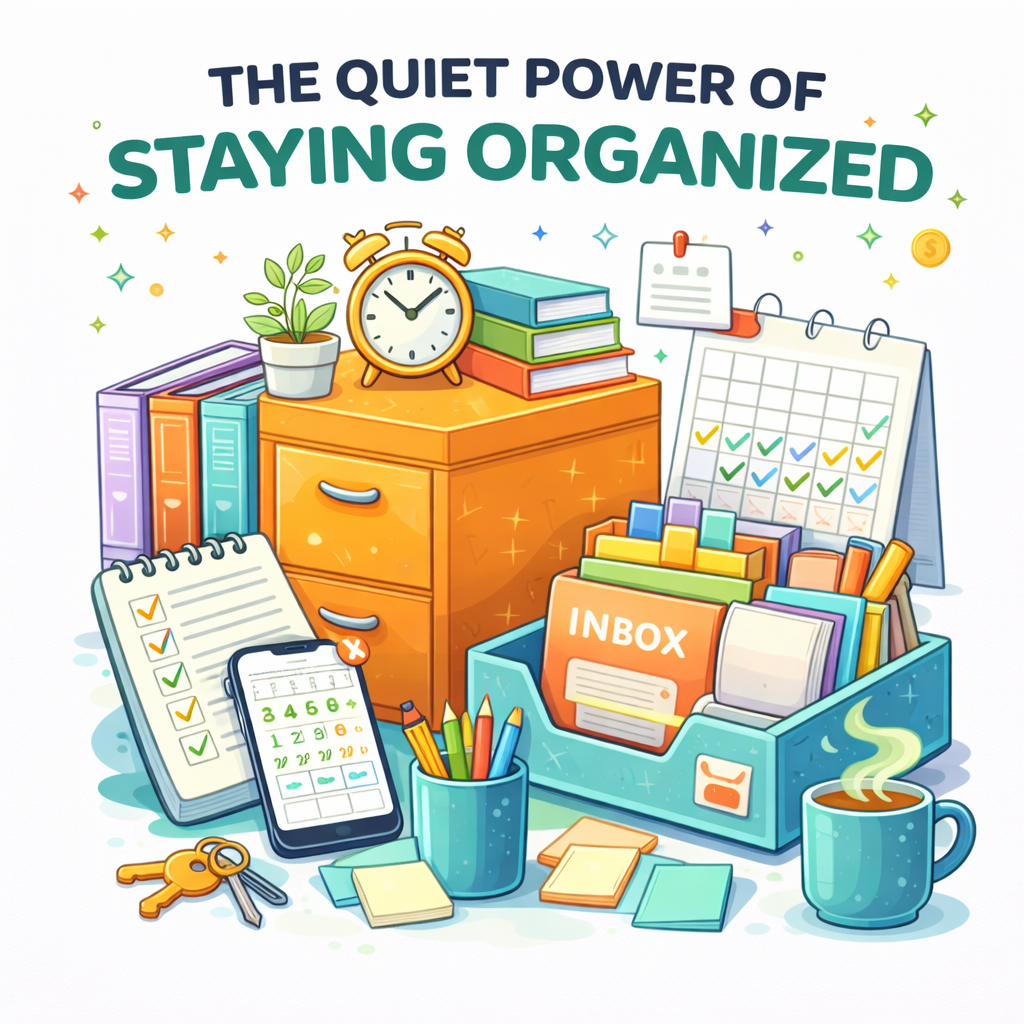
The Quiet Power of Staying Organized
Life moves fast. Between work deadlines, personal goals, finances, and relationships, it’s easy to feel like you’re constantly playing catch-up. But here’s the thing: staying organized isn’t about being perfect or rigid—it’s about creating space to actually live.
You free up mental energy. When you know where things are, when bills are due, and what’s on your plate for the week, your brain isn’t working overtime trying to remember everything. That mental clutter takes a real toll. Organization gives your mind room to breathe, think creatively, and focus on what actually matters.
You reduce stress before it starts. Most stress doesn’t come from the task itself—it comes from the panic of forgetting, the scramble of last-minute rushes, or the anxiety of not knowing what’s coming. When you’re on top of things, you replace chaos with calm. You handle problems when they’re small instead of when they’ve snowballed.
You build trust—with yourself and others. Every time you follow through on something because you tracked it and planned for it, you prove to yourself that you’re capable. That builds confidence. And when others see you as reliable and prepared, it strengthens your relationships and reputation.
You create room for spontaneity. This sounds counterintuitive, but organized people often have more freedom, not less. When the essentials are handled, you can say yes to unexpected opportunities without guilt or stress hanging over you.
Staying organized isn’t about controlling every detail of your life. It’s about building a foundation that lets you show up as your best self—calmer, more present, and ready for whatever comes next.
HOw to actually start a new habit
We’ve all been there—motivated on day one, struggling by day three, and back to old patterns by week two. The problem usually isn’t willpower. It’s strategy.
Here’s how to set yourself up for success when building a new habit.
Start embarrassingly small. Want to exercise more? Commit to five minutes, not an hour. Want to read more? Start with one page. The goal isn’t to impress yourself—it’s to make the habit so easy you can’t say no. You can always do more once you’ve started, but the real win is just showing up consistently.
Attach it to something you already do. This is called “habit stacking.” Instead of saying “I’ll meditate sometime in the morning,” say “After I pour my coffee, I’ll meditate for two minutes.” Linking your new habit to an existing routine gives it a natural trigger and removes the guesswork of when to do it.
Make it obvious. Put your running shoes by the door. Leave your journal on your pillow. Set out your vitamins next to your toothbrush. When the thing you need is visible and accessible, you’re far more likely to follow through.
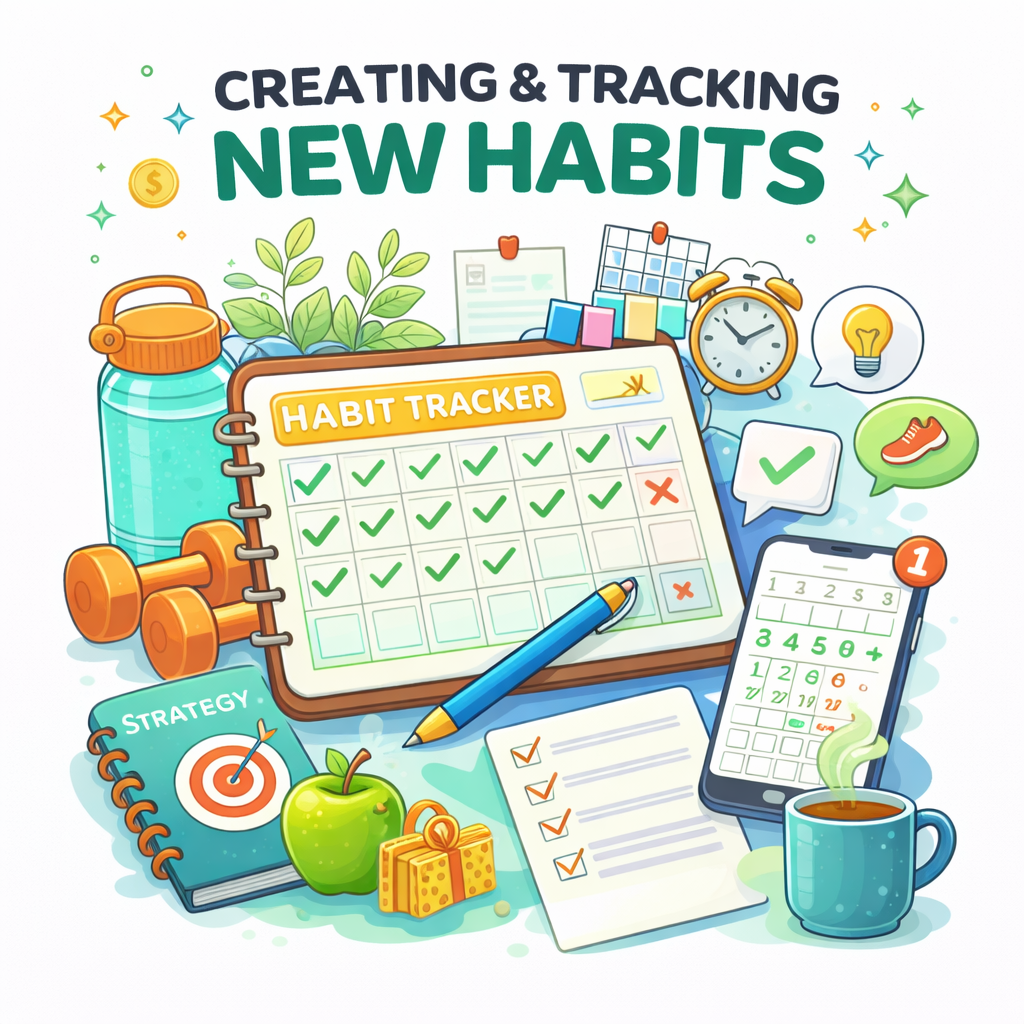
Track your progress. There’s something deeply satisfying about checking a box or marking off a day. A simple habit tracker creates a visual streak you won’t want to break. It also helps you see patterns—like which days are hardest—so you can plan around them.
Expect to miss a day—and plan for it. Life happens. The key is never missing twice in a row. One slip doesn’t erase your progress, but letting that slip turn into a week off might.
Building habits isn’t about dramatic transformation overnight. It’s about small, repeated actions that compound over time. Start simple, stay consistent, and trust the process.
A Simple Formula for Financial Peace of Mind
Budgeting doesn’t have to be complicated. If spreadsheets and detailed expense tracking feel overwhelming, the 50/30/20 rule offers a refreshingly simple approach that actually works.
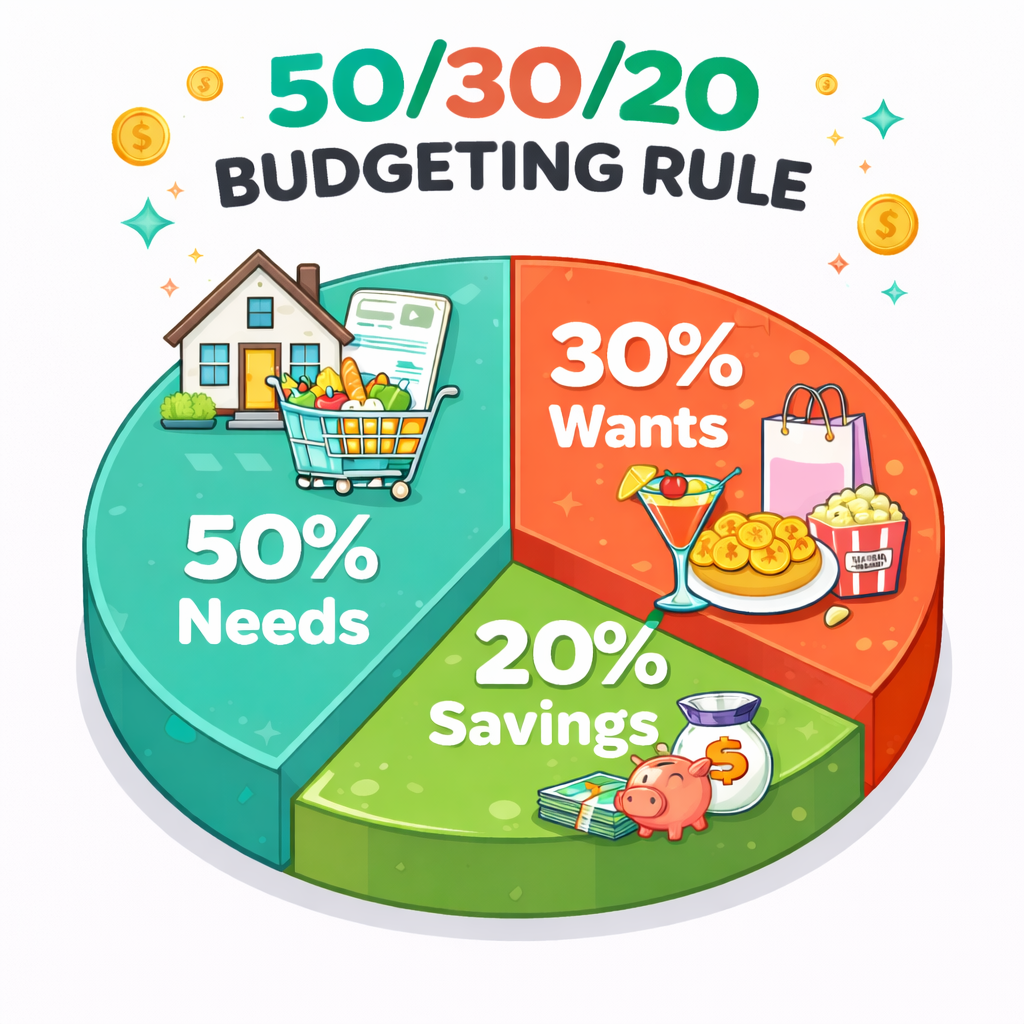
How it works: Take your after-tax income and divide it into three buckets. 50% goes to needs, 30% goes to wants, and 20% goes to savings and debt repayment. That’s it.
Needs (50%) cover the essentials—rent or mortgage, utilities, groceries, insurance, minimum debt payments, and transportation to work. These are the non-negotiables that keep your life running.
Wants (30%) include everything that makes life enjoyable but isn’t strictly necessary—dining out, entertainment, subscriptions, hobbies, and that morning coffee run. This category acknowledges that you’re human and deserve to enjoy your money.
Savings & Debt (20%) builds your future. This includes your emergency fund, retirement contributions, extra debt payments, and any other financial goals you’re working toward.
Why this approach works:
It removes the guesswork. Instead of agonizing over whether every small purchase fits your budget, you have clear guardrails. As long as you’re hitting those percentages, you’re on track.
It balances present and future. Too many budgets demand extreme sacrifice, which leads to burnout and giving up entirely. The 50/30/20 rule lets you live today while still building security for tomorrow.
It’s flexible. Your specific expenses will shift over time, but the framework stays the same. It grows with you through different life stages.
Starting a budget is often the hardest part. The 50/30/20 rule makes that first step simple—and simple is what gets done.
 RealLifeHQ